When you're on the road, there is no time like the present for your car to suffer a breakdown. It's worse when turning the key in the middle of a Melbourne rush hour, with rain making everything harder. Whether you're stuck in a dark multi-level car park in the Melbourne CBD, pulled over on the busy Monash Freeway, or preparing for a flight at Melbourne Airport, a car that won't start causes instant stress. Don't panic or call an expensive tow truck straight away, take a deep breath. A systematic approach can diagnose many common vehicle faults, and sometimes fix them on the spot. This checklist helps you safely diagnose the problem, work out whether it's a quick roadside job, and know who to call across Victoria if it isn't.
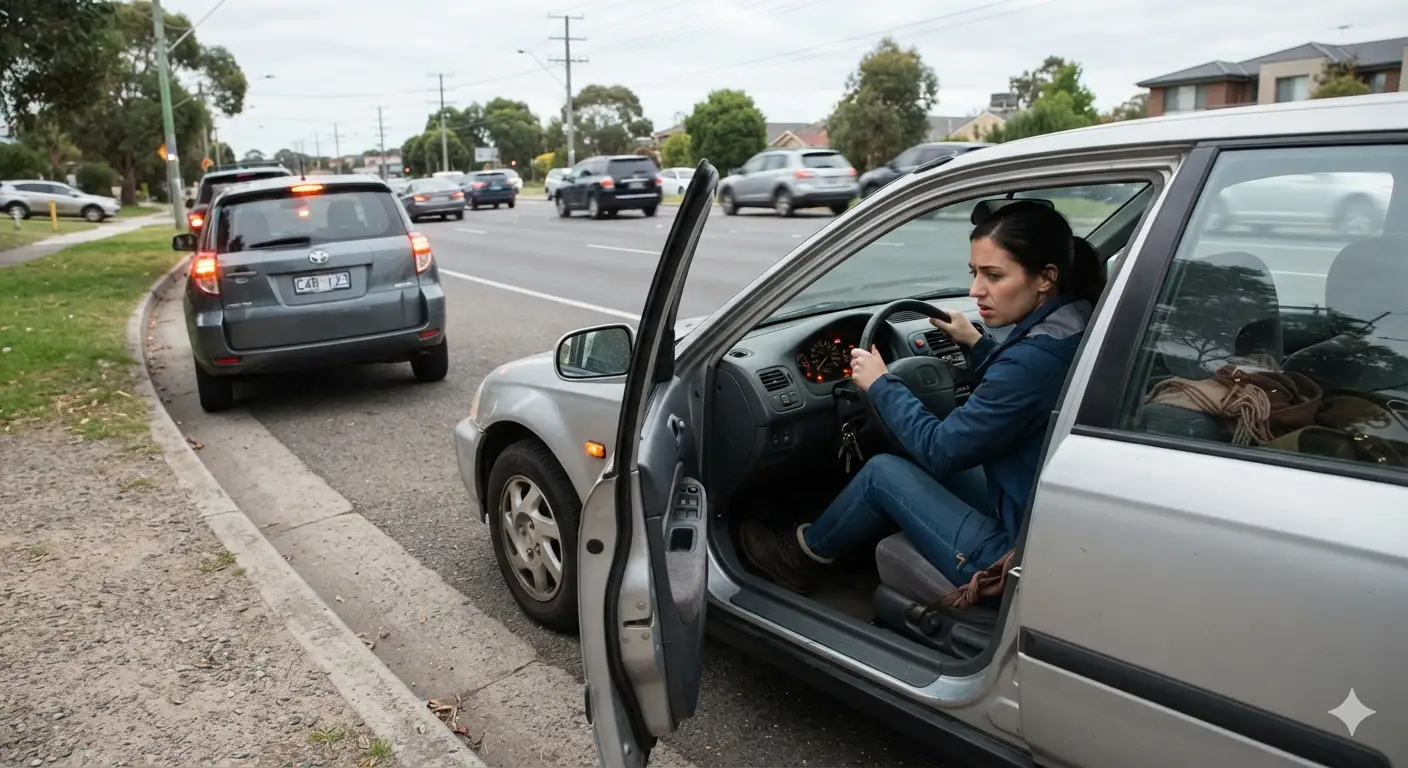
Step 1: Your Safety First
Before touching any buttons or opening the bonnet, make sure you're physically safe. Melbourne's roads can be fast and unpredictable.
- Move to safety: if your car is still moving, steer to the hard shoulder, a breakdown lane, or a quiet side street away from traffic.
- Use the handbrake: lock the vehicle at once to prevent rolling.
- Use hazard lights: switch them on in low visibility, especially on routes like EastLink and the West Gate Freeway.
- Look before you exit: check your mirrors before opening the door. On a high-speed freeway lane it's generally safer to stay in the car, seatbelt on, until help arrives.
- Wear high-visibility clothing: if a safety vest is in the glovebox, put it on before leaving the vehicle.
If your breakdown happens on a fast-moving corridor rather than a suburban street, our highway breakdown guide covers the first 60 seconds in more detail.
Step 2: Read the Symptoms
What happens when you try to start the car? Pay attention to sounds, lights, and physical responses.
- No lights, no radio, no chimes: this points to a total power failure. The cause is usually a blown fuse, loose battery terminals, or a fully depleted battery. Check that the battery clamps are tight; if they're loose, gently wiggle them back into position. If they're already secure, you'll need a jump-start.
- Repeated clicking when you turn the key: the electrical system has a small charge but not enough to crank the engine. This is a classic sign of a weak or dying battery, which is common on Melbourne's chilly winter mornings and blazing summer afternoons. Try a jump-start from another car or a portable battery pack.
- Normal cranking sound but the engine won't catch: the battery is working fine, so the issue isn't the power source. It's more likely a low fuel level, a failing fuel pump, or a spark plug problem. Check the fuel gauge first; if you're parked on a steep incline, such as a driveway in the Dandenong Ranges, remaining fuel may have shifted away from the pump, so roll to flat ground if possible.
- The key won't turn in the ignition: don't force it, you risk snapping the key. This usually means the steering lock is engaged or the vehicle isn't fully in "Park." Gently turn the key while firmly jiggling the steering wheel side to side, and for an automatic, confirm the gear selector is in "P."
Step 3: Three Quick Melbourne Roadside Fixes
If you've safely stopped out of harm's way, try these three troubleshooting tricks before calling in the professionals.
- The Park safety-switch reset: sometimes the automatic transmission's safety switch doesn't register that the vehicle is in Park. Without lifting your foot off the footbrake, shift into neutral (N), then back into Park, and try starting again.
- The battery terminal check: pop the bonnet and find the battery. Look for a white powdery coating on the positive (+) and negative (-) metal terminals, this is corrosion, and it blocks the flow of electricity. Pouring a little water from a bottle over the terminals can temporarily clear the crust so you can get started.
- The key fob battery boost: on push-button start models, a dead fob battery means the car won't recognise the key. Press the Start/Stop button with the physical key fob held directly against it, most manufacturers build in a backup proximity chip for exactly this situation.
If none of these fixes gets you moving, professional roadside assistance is the safest next step rather than continuing to guess at the fault. Wondering what happens after you make that call? See behind the scenes of a 24-hour towing dispatch room.
A dead battery isn't the only reason drivers get stuck on a Melbourne road. If you've instead been left with a flat tyre on a highway, the safety steps are quite different and worth knowing before you're caught out.
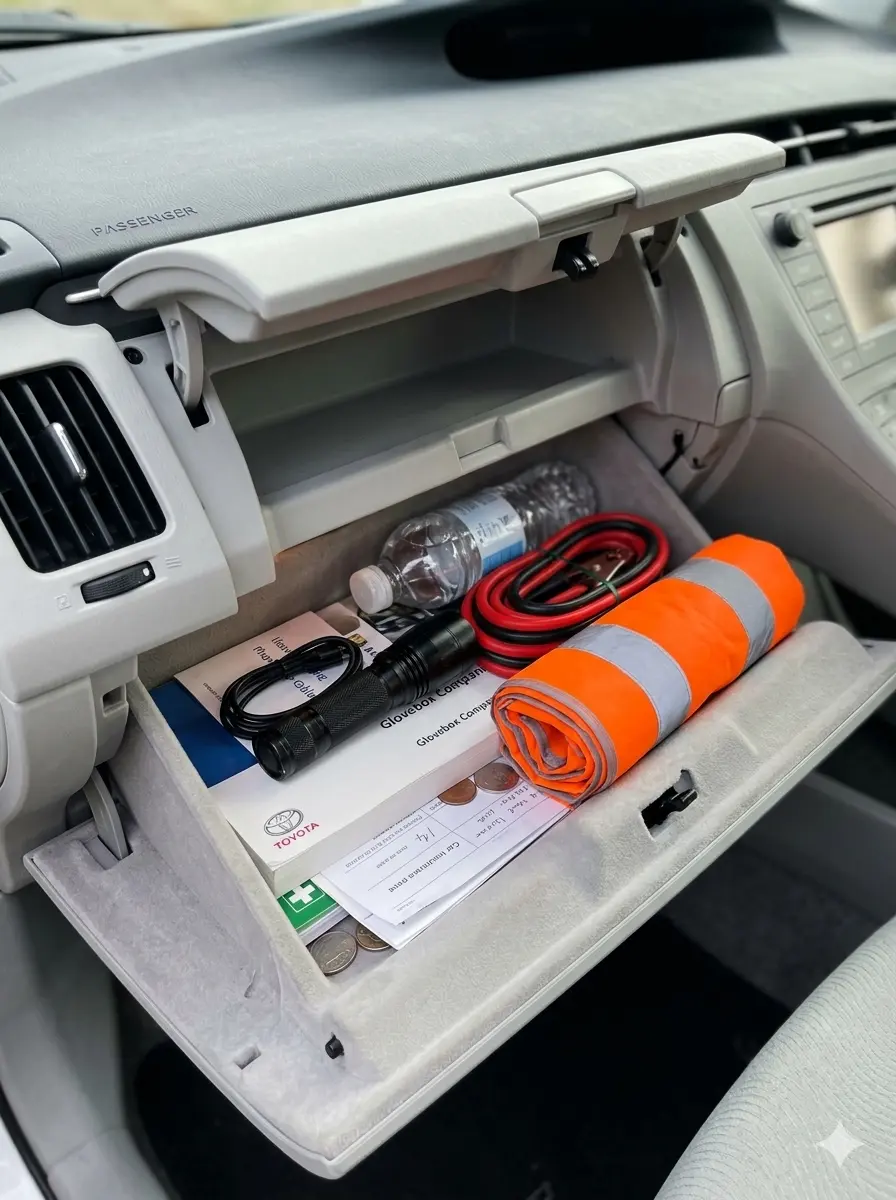
Essential Items to Keep in Your Glovebox and Boot
Time spent preparing before a breakdown is time saved on the side of the road. Melbourne motorists should always carry a small emergency kit and know their towing rights and storage fees.
- High-visibility vest: put it on right away if you need to cross onto a high-speed road such as the Princes Highway.
- Heavy-duty jumper cables: choose a set with a surge protector so you don't harm your car's onboard computer.
- A bottle of tap water: useful for cleaning corroded battery terminals or topping up a leaking radiator in a pinch.
- A physical phone charger: maps, calls, and your torch app will drain your battery fast while you wait for help.
- A strong torch: essential for checking under the bonnet on a cold Melbourne evening in winter.
Common Warning Signs Your Car Battery Is About to Die
Most car batteries don't fail without warning. Spotting these early signs can get you a replacement before you're left stranded.
- Slow engine crank: the engine struggles to start and sounds sluggish on cold mornings.
- Dim or flickering lights: dashboard or interior lights dim when you try to start the ignition.
- A swollen battery casing: extreme Melbourne summer heat can expand the battery case, drastically shortening its life.
- A rotten egg odour: a strong sulphur smell means the battery is at risk of overheating. If the battery warning light is on, the charging system is failing.
Cold mornings are when these warning signs turn into a full failure, so it's worth working through our Melbourne winter car prep checklist before the cold snap arrives.
Finding a Quality Towing Company in Melbourne
Sometimes, despite troubleshooting and a jump-start attempt, the engine just won't turn over. If your car breaks down and you need a stress-free, reliable tow, Car Towing Melbourne is here for you. Our emergency towing and roadside assistance service runs across the metro area, so we're never too long at the roadside. From the busy CBD parking grid to a major highway shoulder or your own driveway, our trained operators use the right tow truck for the job to get your vehicle to safety quickly and at a reasonable cost. Knowing what a call-out might cost before you dial helps too, so check our towing prices and keep the figure in mind.
Frequently Asked Questions
Answers to common questions about a car that won't start on Melbourne roads.
What should I do if my car stops on a Melbourne toll road?
If you break down on either CityLink or EastLink, stay inside your vehicle with your seatbelt fastened and your hazard lights on. These roads are heavily monitored by CCTV cameras at all times. An incident response vehicle will usually deploy quickly to help you or tow you safely off the freeway free of charge.
Does the extreme Melbourne weather affect my car starting?
Yes. Melbourne's notorious weather shifts drastically stress your battery. Extreme winter cold reduces your battery's ability to hold a charge, making morning starts difficult. Intense summer heat leads to internal corrosion, leading to sudden battery failure.
Can I get fined for breaking down on a Melbourne freeway?
You will not be fined for a genuine mechanical failure or breakdown. However, you can face penalties if you stop in a clearway during peak operational hours due to negligence, such as completely running out of fuel. Always try to clear the main traffic if safely possible.