The winter season brings about a sudden transformation to Melbourne. It's crisp in the morning, the Dandenong Ranges are blanketed in fog and driving along the Monash Freeway or EastLink in July requires maximum concentration. Your wardrobe may be stocking up on the heaviest clothes and scarves, but you're not the only one having to endure the winter season. Overnight freezing temperatures can lead to batteries that are not as efficient, and can cause all of the essential fluids in a car's engine to become very thick and much less effective. They can also transform little mechanical problems into big time problems. Nothing is worse than waking up on a dark, cold morning, then turning the ignition key and hearing a weak click.
When you don't want to be standing on a cold roadside waiting for an emergency tilt-tray, you need to prepare your vehicle ahead of time. Use this winter car preparation checklist to keep your car reliable during the harsh winter months and avoid the impound yard.
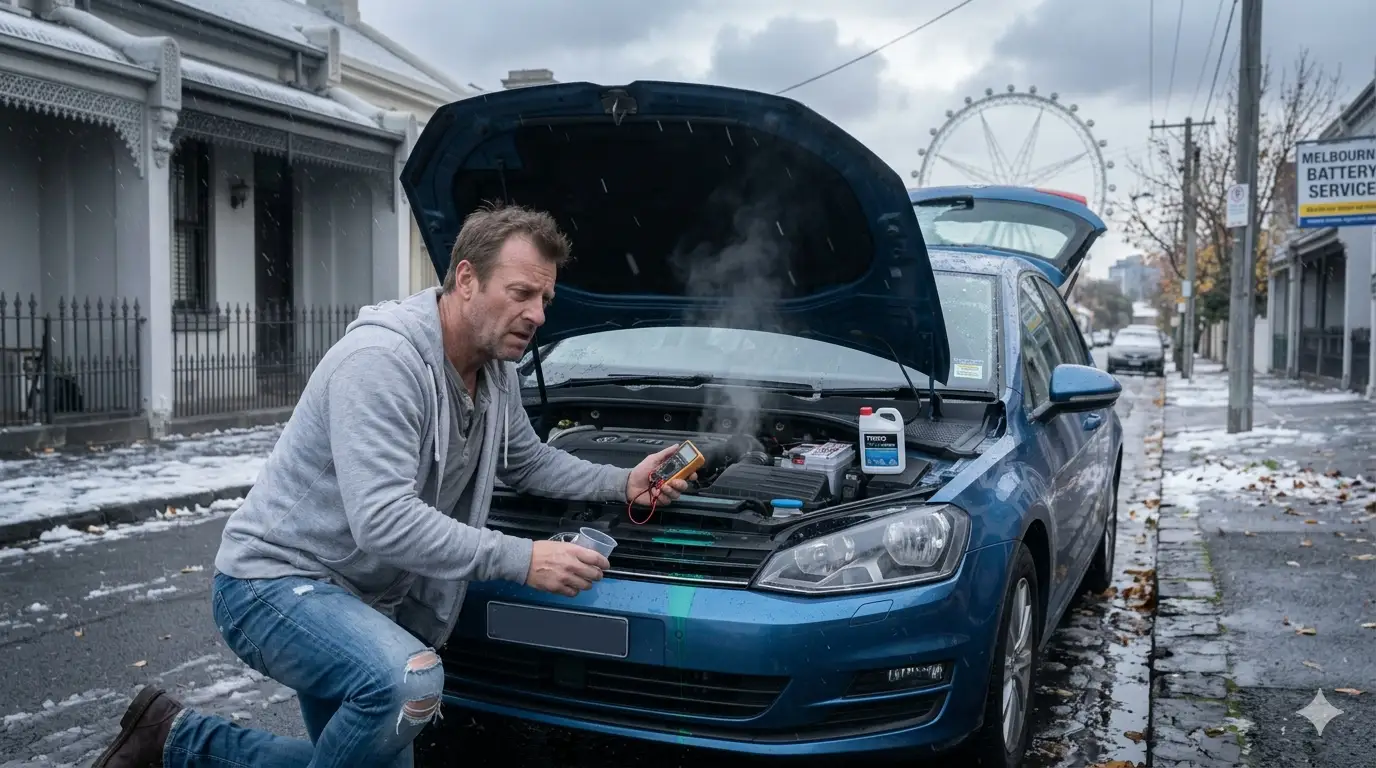
Test Your Battery Before the First Cold Snap
The #1 victim of winter in Melbourne is your car battery. The colder it gets, the slower the internal chemical reactions are inside the battery, which makes it very difficult for the battery to crank a cold engine.
- Consider sluggish starts: if your engine doesn't turn over on a cold morning after a few seconds, your car battery is certainly calling for help.
- Inspect for physical corrosion: open the bonnet and inspect the metal terminals. Use warm water to remove any white powdery crust to maintain a good electrical connection.
- Have a professional load test: simply take your battery to a mechanic or auto parts shop in any suburb, such as Preston, Frankston or Box Hill, and ask for a load test. In case your battery is over three years old, changing it just prior to winter is the easiest way to prevent a cold-start failure.
Keep Checking The Tyre Pressure & Tread Depth
As it gets colder in Victoria, the air in tyres naturally cools off. This causes a sudden loss of pressure in the tyres and will affect handling, braking distances and fuel consumption on wet and slippery roads.
- Check pressures monthly: refer to the PSI check placard inside your driver's door for the correct PSI and add air at a local service station.
- Check tread depth: high speed roads such as the West Gate Freeway can be a hazard in winter rain, so check the tread depth. Make sure your tyres have a good amount of tread above the legal 1.5mm to disperse surface water.
- Look out for uneven wear: if one side of your tyre is bald, your wheel alignment is out. If you are misaligned while driving on icy morning roads, you could slide, and that would be an accident that would need a flatbed recovery truck.
Keep Your Windscreen and Wiper Blades Clear
It's Melbourne winter and you're driving by with clouds of dust, your windscreen and wipers are frosted. A windscreen that is clean and clear of fog and heavy clouds in the mornings is essential for safe travel.
- Change and replace rubber wipers: use reliable wipers that don't leave water marks on the glass or squeak when wiping.
- Skip tap water in the reservoir: add a special anti-freeze windscreen washer fluid to prevent freezing while addressing traffic grime, road salt and morning frost.
- Know how to clear internal cabin condensation: use the front and rear defrost buttons and the air conditioning system to quickly remove any condensation before you leave your driveway.
That Awkward Moment You Witness Your Own Car Getting Hooked Up
There's no better way to get humbled than locking eyes with the tow truck driver, coffee in hand, as you sprint down a busy street in South Yarra or Fitzroy, with your rear wheels already in the air. It typically occurs in a split second. You went into a bakery or a pharmacy, convinced you'd be back before the council parking inspector, "for just two minutes." Instead, when you get outside your car is nowhere to be seen, since you parked on a supposed clearway that morphed into an active lane during the afternoon peak hour commute.
Once the chains or the tilt-tray of a council or statutory tow truck are properly attached, the operator is legally on the job. Strict safety rules and automatic logging systems throughout the City of Melbourne mean the operator is not able to unhook your car on a whim. It's a very helpless feeling to see your own car drive away with you frozen out in the cold and the rain, left standing on the footpath with your keys in your hand.
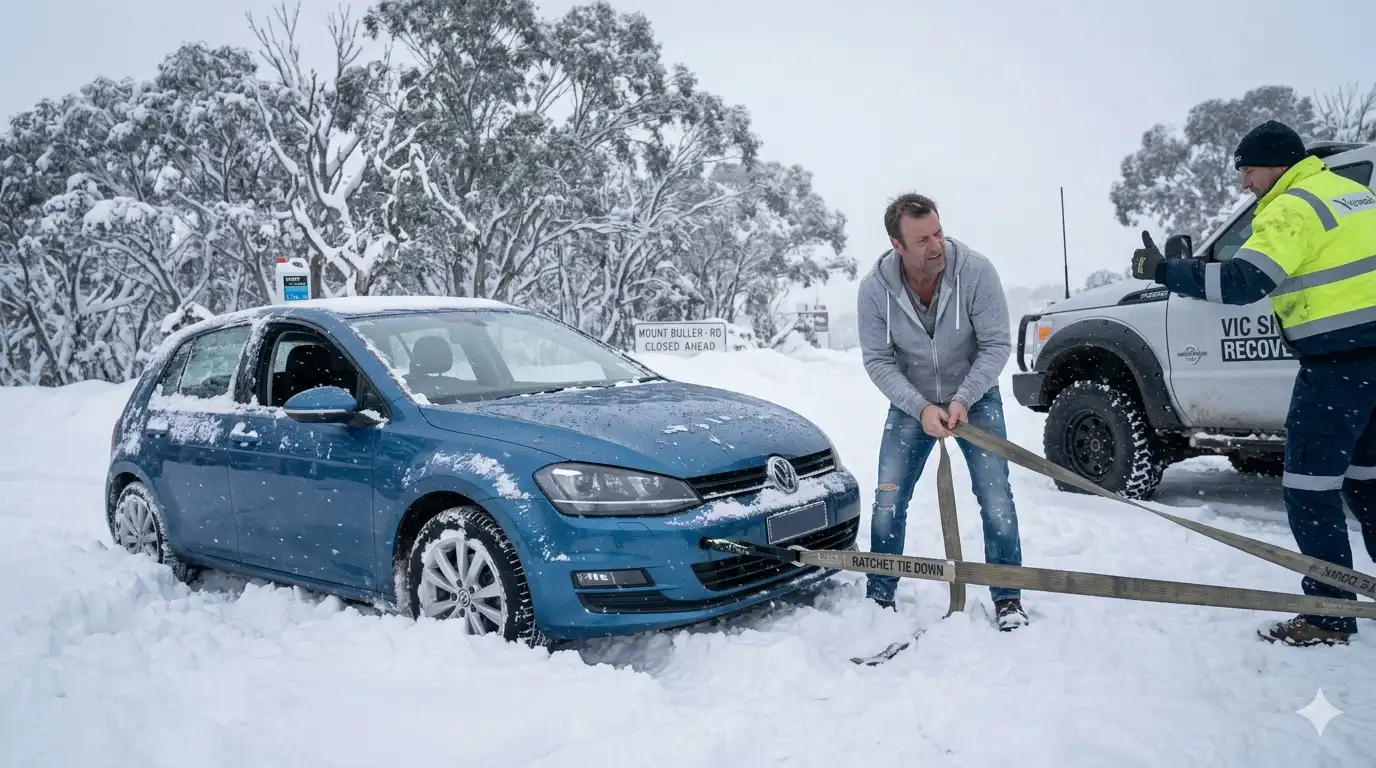
How to Avoid Unfair Storage Fees If Your Car Gets Towed in Winter
When winter breaks down or if you are involved in a wet weather accident, it is important to take decisive action as soon as your vehicle has been towed to a holding area. Many motorists think they will be able to collect their car on the weekend or on payday. But Melbourne impound facilities have strict timelines, and storing your car can become a huge expense. Commercial and council holding yards charge a heavy fee for daily storage, which starts as soon as your car arrives the next morning. These storage penalties can quickly surpass the price of the tow within a week.
You are legally entitled to arrange for the car to be removed from the high cost compound by an independent site if you cannot pay the release fee or have a repair shop lined up. The best way to avoid the daily fee counter from running and keep recovery costs down is to coordinate a speedy flatbed transfer to your own driveway or a complimentary suburban storage area.
Finding Your Snow-Towing Partner in Melbourne
Even if you've done everything you can to prepare for winter, mechanical parts can go bad when you're least expecting it. When your car has a frozen alternator, a burst radiator hose or a flat tyre on a dark Melbourne highway, you and everyone around you are in huge danger sitting on the shoulder in freezing conditions.
If your car doesn't move and you need a reliable and stress-free car recovery service, Car Towing Melbourne can assist you. We offer fast response emergency flatbed towing and roadside assistance throughout the metro area. This is particularly helpful if you're parked in the CBD, on a flat, slippery freeway shoulder or even in your driveway. Our skilled operators will arrive promptly to ensure that you and your car are safe. We are extremely transparent with our rates, you will never find hidden winter surcharges.
Frequently Asked Questions
Answers to common questions about preparing your car for Melbourne winter.
Why does my car battery go dead during the winter?
A lead-acid car battery's internal chemical reactions are greatly reduced in cold weather. Meanwhile, pumping thick, cold oil through the engine block is much more expensive on a cold engine, putting a tremendous double-damper on a weak battery.
Does it make sense to pour boiling water on a frozen windscreen to remove frost?
No. Do not pour hot or boiling water on a cold windshield. That sudden and extreme temperature change will cause thermal shock, meaning that the glass may immediately crack or shatter, all over your dashboard, and costing you a lot of money. Use cool tap water or the car heating system.
In case my car has begun to slip on an icy Melbourne road, what should I do?
Avoid using heavy brakes if you skid, as this may cause your wheels to become locked and you to lose steering control. Take your foot off the accelerator, look where you want the car to go and steer slowly in the direction of the skid until the tyres grip.