Every Melbourne private driver has their own set of driving challenges. Whether it's the hustle and bustle of the CBD's stressful hook turns or bumper-to-bumper traffic on the Monash Freeway, our roads always demand our attention. However, few motorists plan for the time when the car fails them completely. The moment you get in a car accident or your car breaks down you are a customer in a fast-paced environment. If you don't know what to expect from the Melbourne towing industry, you may end up paying too much, breaking local laws or even damaging your vehicle's drivetrain by accident.
This ultimate buyer's guide gives private drivers the inside knowledge they need to understand Victoria's towing costs, consumer legal rights and towing industry regulations.
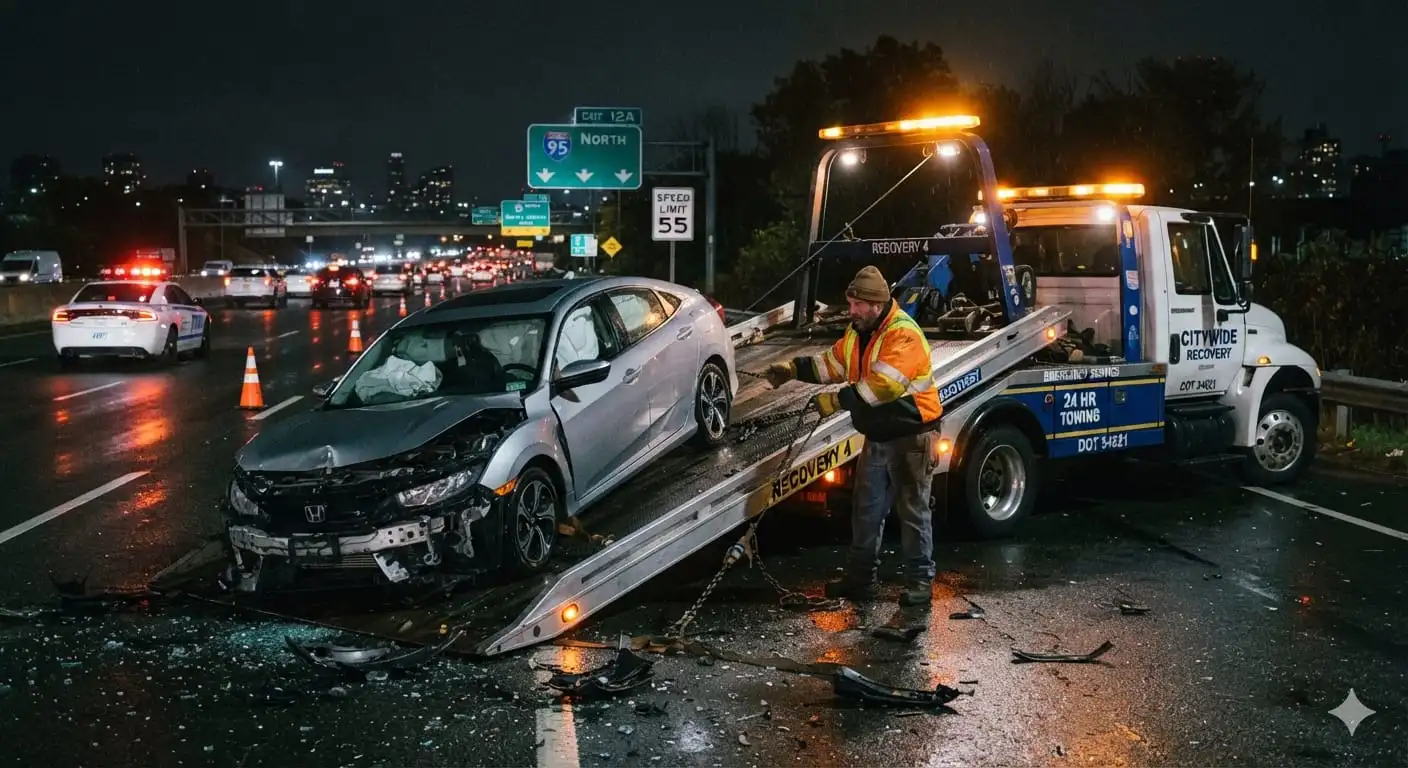
Breakdown vs. Accident Towing: The Vital Legal Distinction
In Melbourne towing comes in two distinct legal categories; breakdown and accident towing. Knowing this distinction will help you to figure out who you can call and how much you can expect to pay.
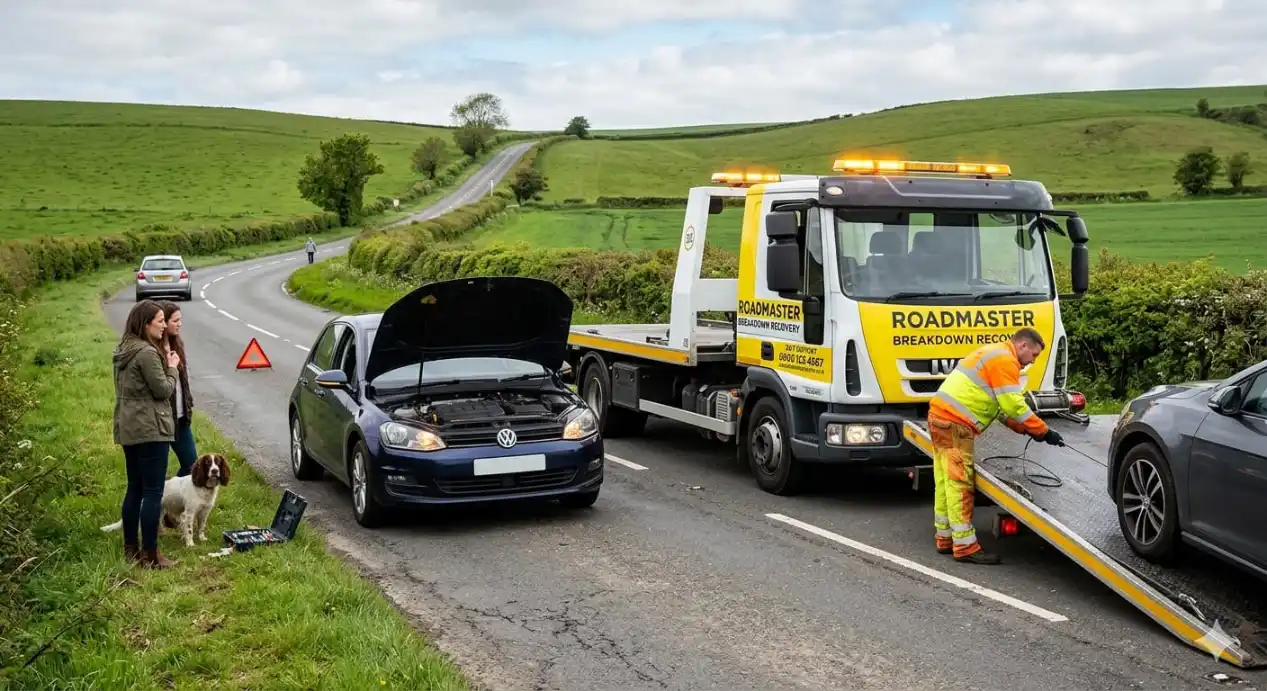
Breakdown Towing (Unregulated Pricing):
A standard breakdown is when your car suffers a mechanical fault, flat battery, blown radiator or a punctured tyre on the Nepean Highway and breakdown towing services are called in by your insurer.
When mechanical failure, flat battery, blown radiator or punctured tyre occurs on the Nepean Highway, this is considered a standard breakdown and breakdown towing services are called in by your insurer.
The Rules: The Victorian government regulates nothing at all about the pricing, service terms or who can provide it.
Your choice: You are free to solicit quotes from independent operators or take advantage of your premium roadside assistance membership.
Accident Towing (Strictly Regulated Pricing)
If your car is damaged, and not immobilised by a physical collision with another vehicle or object, on any road in the metropolitan Melbourne region, then it is under the strict control of the Victorian Department of Transport and Planning.
The Rules: If you see a truck on the road, you can't just call it to come to you in the Melbourne Controlled Towing Area. The allocation of the tow truck is controlled by a centralized automated allocation system which is designed to curb illegal ‘tow truck chasing' and at the scene the person with most ammunition should be the one to call for the tow truck.
Decoding the Bill: How Towing Fees are Calculated
Victorian statutory maximums place restrictions on the charges for the initial tow from an accident site, distance travelled and charges for the subsequent storage of the vehicle.
The Base Call-Out/Hook-Up Fee: This is the flat fee for the truck to park on the scene, hook up to your vehicle and begin preparations to move it. Normally, the amount is $150 to $250 for private breakdowns and this is dependent on the company.
The Per-Kilometre Rate: After the car has started moving with the truck, it is charged a fixed rate per km. Always ask the driver if this fee is calculated from when the truck departs from any of their depots or only when it breaks down and takes you to your destination.
After Hours and Weekend Surcharges: When operating after 2:00 AM on a Sunday or during a public holiday there is increased labour costs. An extra charge will apply if you need help outside normal business hours (9 am to 5 pm).
Storage Safeguards: Where is Your Vehicle Going?
One instance that frequently happens with private drivers is that they don't specify the exact location where their car will be left. When you break down in the middle of the night, your local mechanic in Brunswick, Frankston or Werribee will be closed.
This will give you 2 choices:
Home Delivery: The vehicle will be towed directly to your own driveway, garage, or apartment complex. This will keep the car under your immediate control, but keep in mind that you'll be charged a second tow fee when they open on Monday morning to get your car to a repair shop.
Secure Holding Yards: The best and most established Melbourne towing services have secure holding yards which are monitored by CCTV. Having your vehicle overnight in this type of storage gives insurance adjusters easy access to the damage. But make sure you inquire about daily storage fees in advance. The Storage Fees Act, 1986 (Vic) sets a maximum daily storage fee while the Breakdown Storage Fees Act (Vic) leaves the storage fee entirely up to the operator.
How to Avoid "Chaser" Trucks on Your Breakdown or Accident Scene
If a tow truck shows up at your scene of an accident or breakdown without you or emergency officials calling, do not let it touch your vehicle. These are operators who haven't allocated their operator and they want to ask superfluous and non-reimbursable fees.
Avoid signing up for a service while talking over the phone if the provider uses ambiguous terms such as 'around $200'. Make sure that they give you a clear breakdown in advance, either by SMS or email, before they send the unit.
Blank Fields: Avoid signing a Blank Authority to Tow form. Make sure the address of the destination, your personal information and price is filled out fully before signing.
Electric Vehicles (EVs) and Hybrid Towing: The New Frontier for Private Drivers
As a new frontier in the realm of private car towing, thousands of modern electric vehicles (EVs) are steadily entering Melbourne's roadways, leaving the old tow bar methods rapidly becoming irrelevant and even hazardous. There is really no excuse for operating vehicles that aren't battery electric vehicles in a Tesla, BYD, Hyundai Ioniq, or any other battery electric vehicle configuration.
Unlike conventional vehicles, the electric motors in a battery electric vehicle are not completely disconnected from the wheels by a neutral gear. An EV with its wheels on the road is a giant power brake stall that causes the drive motors to generate large electrical resistance, heat and destroy the powertrain. EV towing is a strict requirement of a tilt-tray flatbed truck.
High-voltage Safety Awareness: If the high-voltage lithium-ion battery package is seriously damaged, it can be an extremely dangerous event. The operators at Melbourne service points receive training to recognise the potential risks of thermal runaway, to check the structural integrity of the battery pack and to use non-conductive safety equipment prior to connecting the vehicle.
Specialized Towing Modes: The majority of EVs have a “Tow Mode” or “Transport Mode” that is controlled through the central touchscreen and is a software function. This digital setting is used to release the electronic parking brake in a safe manner. The setting will be enabled by a competent driver who will explain it to you before connecting the winch lines.
How Vehicle Modifications Impact Your Towing Choice
If your vehicle is a heavy 4WD loaded with off-road touring equipment, or a lowered performance car that is used for track days at Sandown, standard towing may damage your vehicle's structure.
Private Drivers with Modified Cars: This is where specialized fleet capabilities will come into play; they must proactively look for cars that have Low-Clearance Performance Cars which will lift at an angle when tilting and can crush aftermarket front splitters, carbon fiber side skirts or low hanging exhaust systems.
When stuck in a lowered vehicle, ask the operator to use low angle approach trays, wooden approach blocks or specialised race car approach ramps to ensure that loading is scrape free. Heavy steel bull bars, double spare tyres, roof rack and long-range fuel tanks are all examples of types of overland equipment that add to a 4WD's Gross Vehicle Mass (GVM).
However, if a standard light tow truck tries to load a fully kitted-out overland vehicle it will quickly overpass the legal rear-axle weight restrictions. When sending a vehicle, always advise the dispatch team of the approximate weight of the vehicle, so that the dispatch team can send a medium-duty truck that carries a heavier load.
Aftermarket Recovery Points: If your car is stuck or bogged off road near the outskirts of Melbourne the tow company needs to know whether your car has certified, rated recovery points. Heavy strain on a winch line attached to a factory tie down loop or non-rated bumper bracket may lead to structural failure and can be catastrophic.