After an accident, once the vehicle has been removed from the road, it's only the beginning. Then you may encounter a tow operator, an insurance company, paperwork, and a repair shop. Knowledge of accident towing Melbourne allows you to decide where to take the car for towing and what the towing company expects for repairs.
Unlike Victoria, there are other differences between accident towing and a breakdown tow. Whilst police may insist on removing vehicles that are creating an accident hazard, a tow truck doesn't immediately mean that removal is obligatory, Consumer Affairs Victoria says.
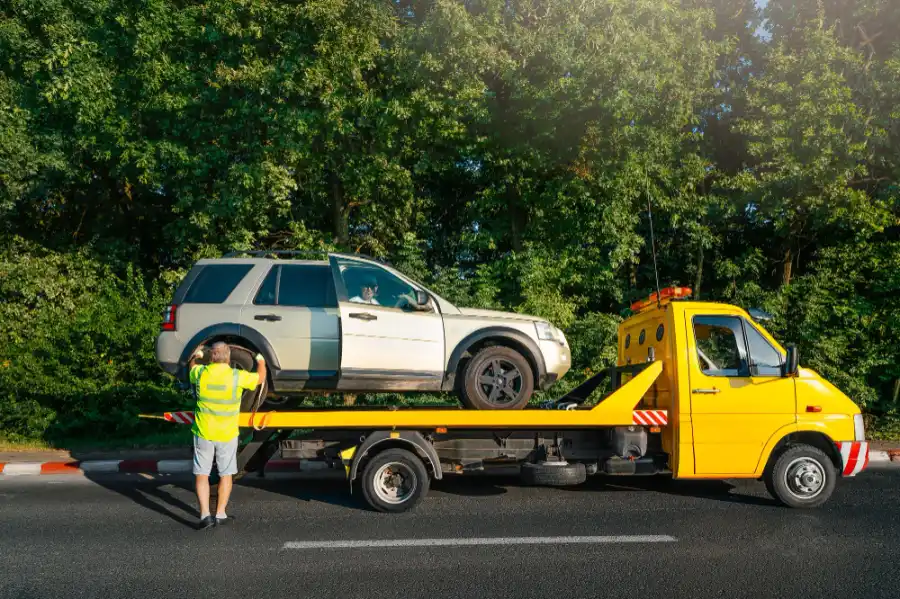
What is done first in case of an accident?
Paperwork comes after safety. If anyone is injured, call emergency responders. In some cases, you may need to remove the car if it doesn't operate in a pedestrian-friendly way. When it's safe, arrange who will tow it and where it is going.
Never assume the hikers are approved to repair vehicles while they are being towed. When an insurer, towing operator, and repairer are involved, those are other choices.
Before the car RVs come out of their garage, inspect:
- Damage: If safe, photograph the damage and surrounding area, airbags and wheels.
- Operator: Highly recommend recording the tow-away company and operator information, and authorization, if required.
- Destination: If you ask where it is headed, do you mean home, a repairer, an insurer depot, or a repairer's facility?
- Insurance: Call your insurance company regarding towing, storage, repair options and insurance restrictions.
- Valuables: Take valuables, documents, and other basic personal items when safe.
- Condition: If the vehicle is not able to turn, stop, roll, and/or start up, or is severely injured, report the issue to the operator.
Who Chooses the Towing Company?
Melbourne accident towing Melbourne adheres to set protocols and procedures, which vary regionally in Victoria. Your insurance provider may also have a towing policy.
If possible, contact your insurance company before accepting extra services. Ask who can repair the vehicle, as well as about towing and storage. If police order removal, obey the order and ask where the vehicle will be taken. It also helps to know when a licensed operator can refuse a tow under Victorian rules.
Where Is the Vehicle Taken?
The vehicle could be taken to one of the following facilities if an accident occurs: Your home, a preferred repairer, an insurer-preferred repairer, an accident depot or the storage facility of the towing operator.
If that's what you want to do, ask for a home delivery before you sign, Consumer Affairs Victoria says. This may give you time to consider your options and prevent storage charges, the same daily charges that build up if a car is towed for illegal parking and left uncollected.
Common destinations include:
- Home: Gives you time to consider insurance and repair alternatives before being pressured into repair.
- Preferred repairer: If/when your coverage and towing company permit it, that is your choice and your destination.
- Insurer repairer: If you have a policy with a repair network.
- Tow depot: If it is not possible to assess or repair the car immediately, it will be stored in the tow depot subject to the car being stored in a suitable facility.
- Assessment facility: May be chosen during the insurer's assessment process before repairs.
- Secure storage: Immediate delivery or repair may not be possible, and that could require secure storage.
What documents do you need?
The Victoria key document is the authority to tow form. Transport Victoria says it gives the tow truck driver permission to move an accident-damaged car. It must be signed by the owner/driver and completed correctly, or by Victoria Police if applicable. It is recommended to obtain a copy. For the full sequence from dispatch to drop-off, see what to expect during an emergency towing call in Melbourne.
Your insurance company may ask for policy information, photographs, and information about your accident separately. Follow the instructions for making a claim.
While filling out towing forms:
- Registration/Identification is correct: Vehicle details are correct.
- Destination: The recorded location is correct.
- Tow fees, included services, storage charges, and any extra charges are explained.
- Authority: You understand exactly what permission you are giving.
- Copy: You will receive a copy of the completed form, and we will keep it with the claim information.
- Repairs: do not approve/repair unless authorized.
Our breakdown of towing fees and storage charges explains what each line on that form usually means.
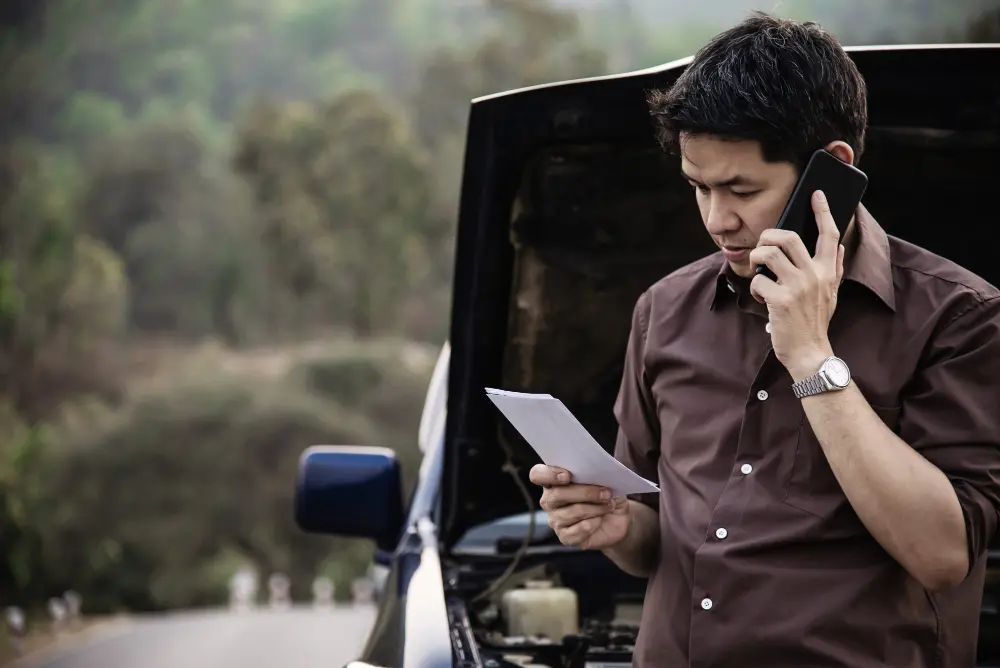
Drivers Should Not Sign This:
Once an incident occurs, it's easy to rush into a signature because you want something to be done. Carefully review each contract. Consumer Affairs Victoria cautions some towing contracts may tie you to a specific smash repairer, which is why Melbourne's accident towing allocation scheme matters.
Vendors of tow services vs repair services. No repair works should be undertaken without the authorization from the owner or Insurance carrier.
The risks to consider are:
- Unfilled blanks: Do not sign forms that don't have important info.
- Repairer clauses: Note whether they commit you to a repairer or repair arrangement.
- Ambiguous charges: Inquire about the meaning of each charge.
- Storage place: Familiarise yourself with the location of any storage and potential fees.
- Use the repair authority: Avoid making unauthorized repairs.
- Document not clear: Questions, clarification, make a copy.
Melbourne Case Study: A Safe Tow following the Crash
A Melbourne driver, named Mia, has been in a crash on one of Melbourne's busier suburban roads. Her vehicle could not be driven safely.
She asked where it was going and whether her insurance company had arranged it. She reviewed the tow form, confirmed the destination, kept the document, and called her insurer to discuss possible repairer alternatives.
What is an Insurance Towing Service?
Your insurance may include towing, but insurers may have varying towing coverages. Policies can include tow limits, repairer arrangements, and tow storage. Comparing them against current emergency towing prices tells you how much of a recovery a policy actually covers.
In the event of an emergency towing Melbourne, state that your vehicle is accident-damaged and tell the operator the location, condition, and destination of the vehicle.
This information should be available:
- Insurance information: Insurer's name & insurer policy/claim number and claim contact information if available.
- Please note the suburb, road and a local landmark.
- Vehicle: Registration, make and model.
- Condition: Can it start, steer, brake, and roll?
- Destination: Your preferred permitted destination.
- Accident information: Police attendance or claim information, if available.
FAQ
Common questions about accident towing, authority to tow forms and insurance-arranged recovery in Melbourne.
Which company will tow the truck?
Based upon location, Victorian accident towing protocol, and your insurance coverage. Your insurer may arrange the tow.
What is the shape of an authority to tow?
It grants permission for the tow and records the towing information. A copy will be sent to you.
What should I NOT sign?
Avoid entering into unclear agreements or agreements that you haven't read, particularly agreements that involve having repair work done on your property that you never intended to sign.
Final thought
Before the tow comes to you, know your rights.
The best way to deal with accident towing Melbourne is to keep the initial towing operation separate from potential storage, insurance, and accident repair needs. Make the vehicle safe before you know who the towing company is, where it will take it, and what you're allowing the towing company to do.
By taking the time to understand the rules for tow trucks in Victoria, you can avoid confusion by reviewing your policy and the form authorizing the tow. When calling in an emergency tow in Melbourne, ask questions before you sign on the dotted line, and make copies. If you need a tow arranged now, you can contact our Melbourne towing team.