After the rattling, jarring noise of a car accident on a busy Melbourne road, you don't want the drama or stress of an argument over who is towing your car. That's an all-too-familiar situation: your heart is beating out of your chest, you're checking for injuries in the car, and in no time at all, several tow trucks gather around like vultures circling a new car going on the rocks. Drivers may already be waving clipboards in your face, giving you a free ride, or coming at you with a bunch of paperwork that you don't even know about.
When you don't know the rules, however, you can be bullied into an out-of-the-way holding yard and into a costly tow bill. In the Melbourne Controlled Area, there is no need to make a guess as to who may lawfully take your car. The Victorian Government operates a highly regulated scheme called the VicRoads Accident Towing Allocation Scheme (VATAS) to prevent stressed drivers from getting ripped off by unregulated operators. It's a very strict and strict policy because they will only send one particular tow truck to your exact location and the fact that it's your choice of which one to call is not up to chance, but rather, it is an official choice.
Knowing What to Anticipate Within the Melbourne Controlled Area
Not all cases of your car breaking down or minor fender benders happen in Victoria so it is important to understand where this occurs. These rules of the strict allocation system control the whole Melbourne Controlled Area, including all metropolitan suburbs, the Mornington Peninsula and across to the self managed areas of Geelong.
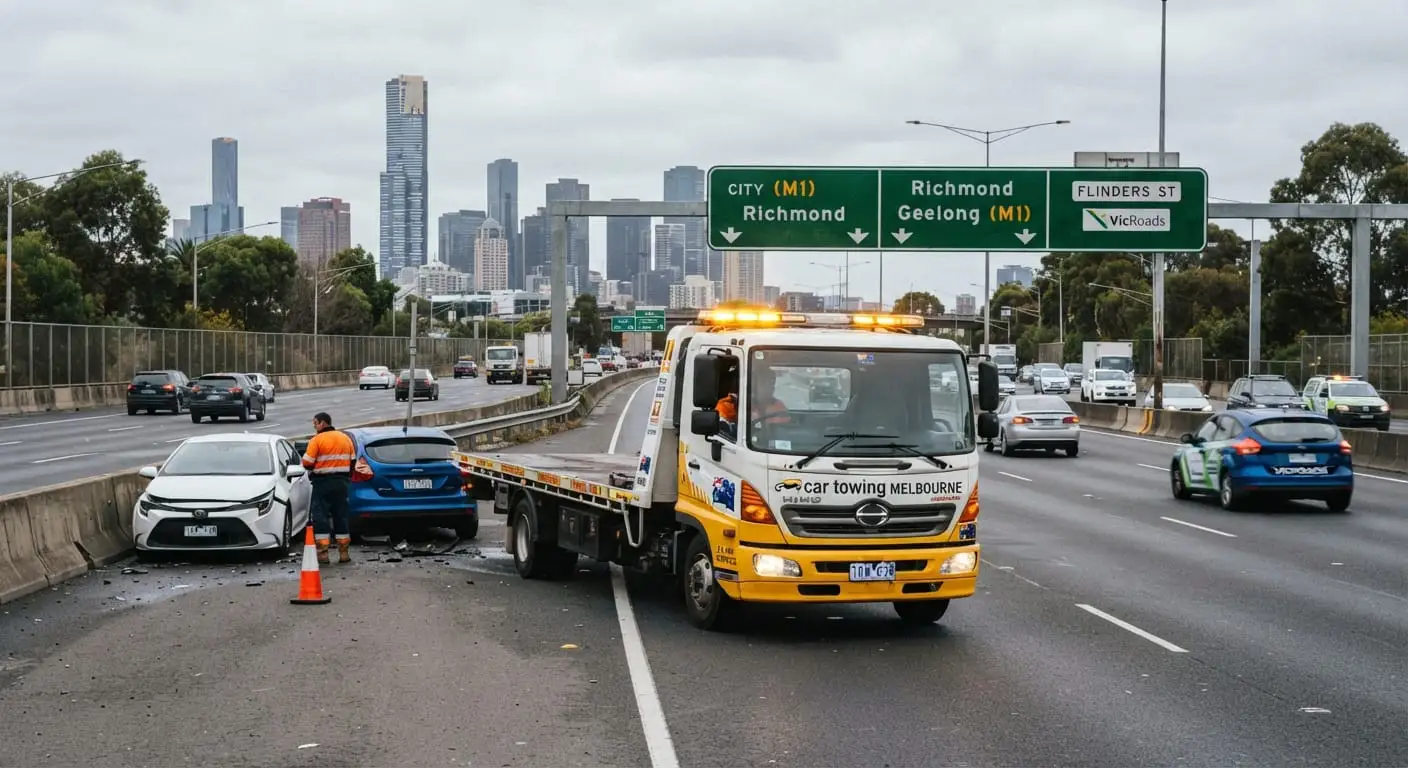
This system is designed to control accidents with any passenger car, SUV or light duty truck (GT less than 4 tonne). These regulations apply to any family sedan, hatchback or a dual cab ute. On the other hand, if you have a heavy commercial vehicle, big bus or specialized work rig that weighs more than 4 tonnes, your vehicle is not included in the standard scheme and you must have specialized heavy salvage operators.
It's also crucial to differentiate between an accident and a regular breakdown. In the case of a simple overheat, your alternator fails, or you have a flat tire while safely on the side of the road, the allocation scheme will not apply. When a normal mechanical breakdown occurs, you are absolutely free to call your preferred roadside assistance club, use an insurance-provided roadside assistance service or connect with any private tilt-tray firm you select to transport your vehicle.
The Allocation Process Explained: A Step-by-step Manner
If a genuine collision has happened within the metropolitan boundary and a vehicle is too damaged to be driven off safely then the law deems it to be the duty of the allocation centre to intervene. The process is designed to be fast and not to have chaotic arguments in the argument.
First, there needs to be someone at the scene who contacts the central allocation body. This can be achieved by the drivers directly, by other drivers who are passing or by emergency services that are arriving at the scene. The central number to dial in the metropolitan Melbourne area is 13 11 76. In the event of a crash in the Geelong area the dedicated number is 03 5277 2111.
Second, the dispatcher will request specific information about the incident; The location of the accident, the vehicle make and model numbers and a description of the damage must be given. Then, the allocation computer reviews a list of licensed and certified tow truck companies in the defined area.
Thirdly, each tow company has a different allocation number assigned to it and it is officially listed as the tow company. The Accident Towing Services Regulations stipulate that the dispatched operator be at the scene of your accident within 30 minutes of the official digital authorization. When these trucks are stuck in severe traffic or can't be at the window, they must lawfully let the allocation body know so another truck can be sent out.
The Absolute Power of the Authority to Tow Form
Once the tow truck driver has arrived at the scene, he or she cannot hook up your car and just go for a ride. The operator will have to issue you a written document, known as the Authority to Tow form, prior to your vehicle departing the bitumen. It is your first line of defense in the event of a crash.
The unique allocation number offered by the central centre must be clearly marked on this document and the specific license plate and business information of the tow truck. This form must be signed personally by the owner or driver of the vehicle for permission to lift the vehicle. If someone has been taken away on a stretcher by paramedics, or by Victoria Police or authorised VicRoads road safety officers, and they are seriously injured or incapacitated, the officers gain the legal authority to sign the form in order to ensure the road is clear for public safety.
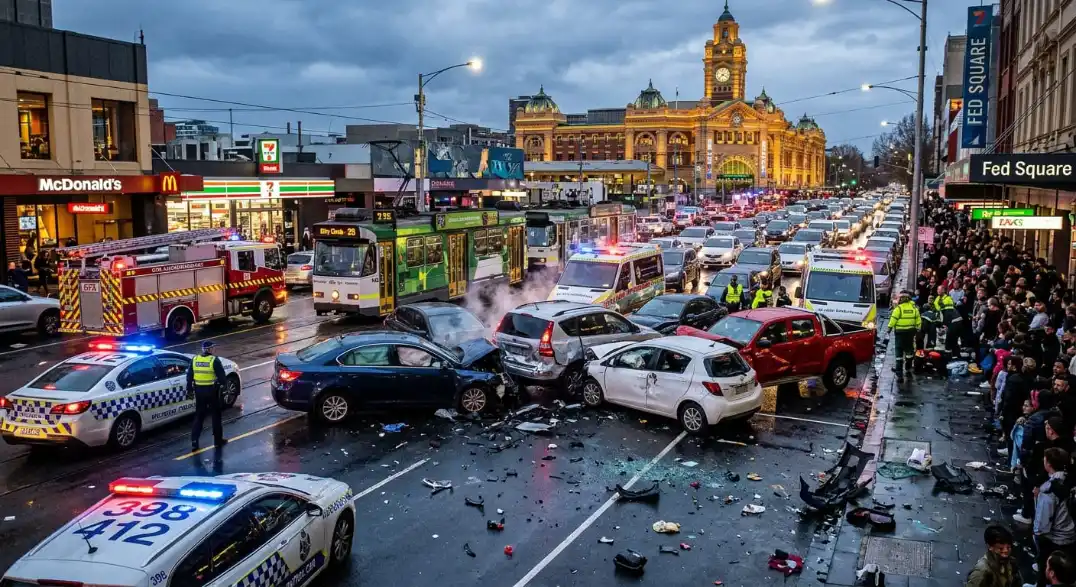
Avoid signing an empty document, and don't sign a document that appears to be a generic repair or contract. The official Authority to Tow document only deals with the transportation and immediate storage of the car. A car rental or smash repair specialist asking you to sign an additional document under your pen should be refused.
Your Rights With Regard to Destination & Fixed Fees
One of the biggest concerns of motorists is that an unauthorized tow company will tow your car and drive it to the other end of the city to a high-priced holding yard. The allocation system means you have 100% choice over where your car ends up.
You legally have the right to drive anywhere within a reasonable distance of 125km from the accident site. You can arrange the vehicle's delivery to your family's home, your local mechanic, a smash repair shop that specialise in the type of damage or your insurance companies assessment centre. If there is no preference and no decision can be made due to the stress of the crash, the driver will bring the car straight to their secure licensed depot boundary for that suburban zone.
The price is strictly regulated by law, so you won't have to bargain in the pubic area on the side of the highway. These fees are regularly reviewed and adjusted by the Essential Services Commission to ensure they are fair. If you are allocated for a standard allocation tow, the base fee will cover the full tow as well as the first 8 kilometers of travel and is regulated. All travel beyond those initial 8 kilometers will be at a fixed and predictable per kilometre rate. All accidents occurring late at night, at the weekend or on gazetted public holiday will be charged a standard after hours surcharge on the final invoice.
Summary for the Road
An accident is always a stressful and tiring experience, but being calm and remembering the rules of allocation can help you avoid a second financial woe. Ignore the unallocated trucks on the shoulder if a collision results in your car being undrivable, anywhere within metropolitan Melbourne. Call 13 11 76, ask to have the official allocation number confirmed, read the Authority to Tow form carefully before signing, then confidently tell where your vehicle is going. When it matters most, you know your legal rights and you're in full control.