Is Towing of Modern Electric Vehicles Possible Like Petrol Cars?
When it comes to the towing side, electric vehicles (EVs) can seem much the same on the surface, but actually very different. The wrong type of towing may damage the electric motor, electric drivetrain, tires, or other parts of an electric vehicle if it is towed out of charge, if it is broken down, or if it is involved in a roadside incident.
Yes, so can electric cars be towed? Yes however, not in the same manner as a traditional petrol or diesel automobile.
Melbourne drivers will find it best to communicate with the vehicle towing company, confirm that it is an electric car, and provide the car's make and model before recovery starts. The towing method is then to be in accordance with the manufacturer's instructions. For instance, Tesla recommends using a flatbed or another transport vehicle for the Model 3 and cautions against placing it on the ground with the wheels down.
Depending on your situation, you need emergency towing Melbourne drivers can rely on; knowing these differences can help you avoid making your circumstance a costly repair job.
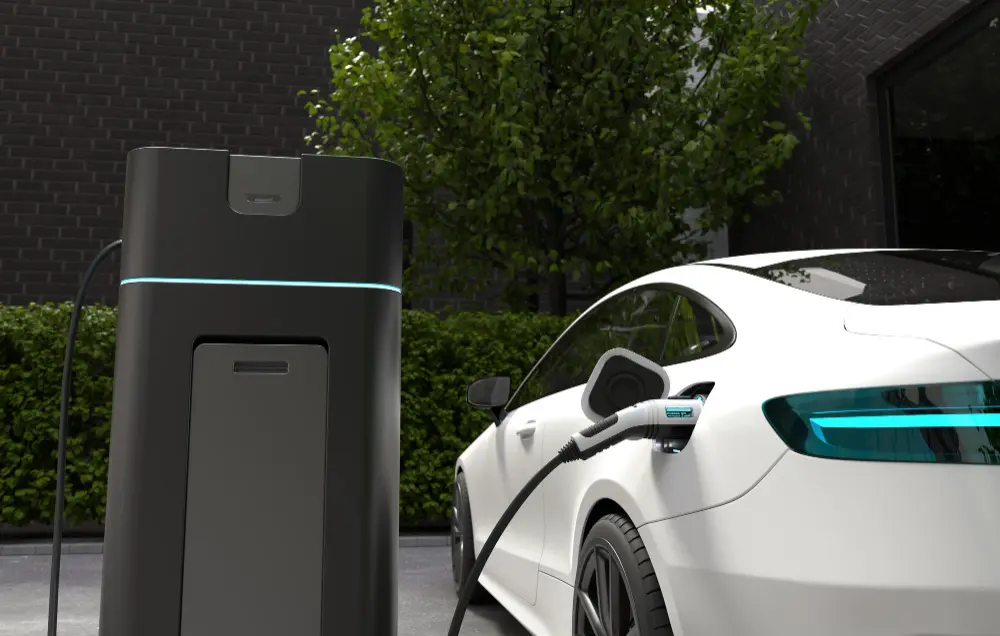
When It Comes to Electric Vehicles, What Makes Them Special for Towing?
The expulsion systems typically used for a petrol vehicle with a manual transmission can sometimes also be used for an EV. Electric vehicles are fitted with electric motors and high-voltage systems, with many models incorporating ECP (electronic controlled parking) and regenerative braking. Many are also all-wheel drive, so the rules for towing an all wheel drive vehicle apply on top of the EV precautions.
With an EV in recovery mode, the electric motor and parts of the drivetrain may be impacted if the driven wheels start to spin. The risk will vary depending on the car's design and the manufacturer's recommended recovery guidelines.
Hence, towing an EV should not be treated as simply "lifting one end and driving away", particularly in tight Melbourne CBD streets. It is important to have the right gear and recovery method.
A professional tow company should set up the following before arriving on the scene of the accident for recovery:
- If the vehicle is 100% electric or a hybrid.
- The make, model, and drivetrain configuration.
- If the vehicle is compatible with this "required" towing or transport mode.
- Whether the wheels can spin safely.
- If the car has been in an accident.
- If the vehicle should be in a safe position for loading.
- If a flatbed truck, wheel lifts, dollies, or other equipment is needed.
For instance, Tesla's Model 3 guidance says all four tires must be off the ground during transport. Tesla recommends a flatbed truck, with wheel lifts and dollies only in certain cases.
Is It Possible to Damage While Towing Due to Regenerative Braking?
One of the distinguishing features of Electric Vehicles compared with traditional cars is regenerative braking. An electric vehicle will use its electric motor to recover energy when it slows down, rather than relying solely on friction brakes.
This does not imply that having a regenerative braking system in an Electric Vehicles would prevent it from being towed. The problem is the uncontrolled or inappropriate rotation of the driven wheels during transport.
The mechanical components can be subjected to conditions in recovery with an electric motor that is mechanically driven while the vehicle is in transport, which they were not designed to endure.
Drivers should never assume (or think) that a short tow is definitely safe for this reason.
The more preferable method of recovery is to:
- Follow vehicle manufacturer's towing directions.
- Run engines on wheels not on trails.
- Transport with an appropriate flatbed or an approved transport vehicle.
- Never use improvised rope/strap towing.
- Inform operator of warning messages and electrical defects.
- Let the vehicle operator know if the car has been in an accident.
- Do not presume any other EV model to be the same as towing.
- Always follow the manufacturer's guidelines rather than following general towing advice.
Should a Flatbed Tow Be Used to Tow an Electric Vehicle?
Many times, though, flatbed towing Melbourne operators employ the flatbed where all four wheels are kept completely off the road, this is the preferred type for an Electric Vehicles most of the time. This prevents any rotation of the vehicle's wheels during delivery.
However, some Electric Vehicles may allow other ways under certain conditions; this may be allowed by the manufacturer. Always using a flatbed is a good rule to follow, but does not replace reference to the individual vehicle's manual.
Tesla is an example of that. According to its Model 3 instructions, it calls for using a flatbed truck or similar type of transport vehicle and states that the truck or other transport vehicle should not be carried with tires letting spin. Tesla also advises you to take great care not to damage or overheat it during transport.
Transportation by flatbed may have multiple benefits when it comes to helping you recover your Electric Vehicle:
- All four wheels are still off the ground.
- Minimized risk of unwanted drivetrain rotation.
- Fits a variety of EV's, including ones that are not mobile.
- Decreased use of regular wheel lift towing.
- Increased control over the conveyance of a vehicle characterized by faults to the drivetrain.
- If it is not possible to drive the vehicle to a safe site, this can be useful.
But unloading an EV onto a flatbed, if not done properly, is not the correct method. If there is no electrical power, locked wheels and/or collision damage, or damaged suspension, other equipment may be needed.
Check Out These Points on Towing for Tesla Owners.
Tesla car owners should pay extra attention to Tesla towing. Tesla provides instructions we should take into account when transporting the car.
The Model 3 is not recommended for transport on wheels, says Tesla. Wheel lifts and dollies, which do not require lifting all four wheels off the ground, are recommended if a flatbed is not available; Tesla specifies the limitations on their use.
Tesla also offers a Tow Mode to arrange some cars to be pulled. Tow Mode is designed for short, controlled movement with winching (not for normal road transportation).
This means it is imperative that Tesla owners let the tow company know:
- Which Model Tesla you are using.
- If the vehicle is powered or not.
- Whether Tow Mode is active.
- If the vehicle is locked or immobilized.
- If there is collision damage.
- Where the vehicle is parked especially in the basement or car park.
- If any warning information was displayed before the breakdown.
Given the extensive collision damage, the vehicle might also require additional high-voltage safety measures. Tesla says it is important to consider high-voltage components "energized" until emergency responders evaluate the vehicle.
A Melbourne Client Scenario: Why the Towing Method Matters
Let's look at an actual client situation in Melbourne: Daniel, a hypothetical Electric Vehicle owner, experienced a total loss of power on one of his rides home from work. First, he thought his car would be retrieved by lifting it with the same technique used for petrol cars.
The towing company operator asked Daniel what car he was driving and that it was an electric car before they sent the tow out. The recovery was not in the normal style, but rather in line with the manufacturer's towing requirements.
Appropriate equipment was used to load the vehicle, and the driven wheels weren't needlessly rotated during transport to the loading site.
The example of Daniel shows that knowing whether a vehicle is electric before the tow truck arrives can make a difference in a tow. Appropriate equipment selection and avoidance of unnecessary damage is achieved with the right information at the operator's fingertips.
How to Handle an Electric Vehicle Breakdown in Melbourne.
Unless the Electric Vehicle has a manufacturer's recommendation for how to proceed, NEVER use a rope to connect to another vehicle to resolve an EV immobilization scenario stranded on a Melbourne road!
Instead:
- If the car is safe to drive, get out of the way of the hazard.
- Turn on hazard lights and follow normal roadside safety procedures.
- Call a detainer towing company.
- Indicate that the vehicle is battery electric.
- Enter the make and model!
- Describe the method of checking the power of the vehicle.
- If there has been any accident, battery, or drivetrain damage... Mention it.
- Request the proper equipment necessary to retrieve the EV.
- Transport as per manufacturer's instructions.
- Have the owner's manual or manufacturer's towing information available.
These actions can help create safer, more efficient motorway towing and recovery for Melbourne drivers.
Final Thoughts
Electric vehicles can be towed safely as long as a suitable recovery method is used.
The critical distinction is that Electric Vehicle towing is a bit more complex than traditional towing because there are specific considerations that require more attention: the EV drivetrain, electric motor, high-voltage systems, regenerative braking, and more.
The most basic mantra is not to assume that an Electric Vehicle with four wheels is a petrol car.
A flatbed is a great recovery solution for some EVs, but each manufacturer and model has different specifications. There are reasons to read those guidelines, as Tesla's own Model 3 guidance so clearly illustrates.
Before you have your vehicle hauled away from any point throughout Melbourne, provide the tow company with all information relating to your automobile. This enables the correct towing equipment and system to be addressed in the initial stages.
Frequently Asked Questions
Answers to common questions about towing an electric vehicle safely in Melbourne.
Can electric cars be towed?
Yes. Electric cars can be recovered and transported, but the correct towing method depends on the vehicle's manufacturer, model and drivetrain. Some Electric Vehicles require all wheels to remain off the ground during transport.
Is flatbed towing better for an electric vehicle?
A flatbed is often a preferred option because it keeps all four wheels off the road. However, drivers should follow the specific manufacturer's towing instructions rather than assuming every EV has identical requirements.
Can regenerative braking damage an Electric Vehicle during towing?
Improper rotation of driven wheels can create mechanical and electrical risks in some EVs. Regenerative braking is one reason why manufacturers provide specific transport procedures. The safest approach is to follow the vehicle manufacturer's instructions.
Can you tow a Tesla with a normal tow truck?
It depends on the equipment and the Tesla model. For the Model 3, Tesla recommends a flatbed or comparable transport vehicle and requires all four tyres to remain off the ground during transport.
What should I tell a towing company about my Electric Vehicle?
Tell the operator that the vehicle is electric, provide the exact make and model, explain whether it has power, and mention any accident, locked wheels or warning messages. This information helps determine the appropriate recovery equipment.
Can an Electric Vehicle be towed if the battery is completely flat?
A flat traction battery does not automatically mean the vehicle cannot be transported. However, the vehicle may require specific procedures or equipment, particularly if electronic systems or the parking brake cannot be operated.
Is towing an electric vehicle different from towing a petrol car?
Yes. Electric Vehicles can have different drivetrain, motor, braking and high-voltage-system considerations. The towing method should therefore be selected according to the manufacturer's instructions rather than based solely on conventional towing practices.
Need EV Recovery in Melbourne?
Tell the towing operator your vehicle's make and model before recovery begins so the right transport method can be arranged.
Ready to book a safe EV tow? Contact our team today.