Our 2026 pricing and operational guide below is a comprehensive long-form version of shipping container pricing and operations in the Melbourne market.
Shipping Container Transport Pricing
Shipping container transportation rates are based directly on the structural length of the container and the general load condition of the container. Larger sizes require larger clearance radiuses, advanced multi-axle tilt beds and greater fuel consumption on the trucks, that's why our pricing is incremental so that your logistical costs remain totally predictable.
Our pricing is based on price tiers for your needs and is detailed below.
- 10ft Container$350 – $600
- Compact storage units, site sheds or pop up retail pods. Standard tilt and slide residential or commercial moving boxes.
- 20ft Container$450 – $750
- For standard intermodal cargo containers, residential moving boxes, and commercial trade storage units. Accounts for robust twist lock frame securing, for full length industrial cargo containers and commercial warehouse stock transfers.
- 40ft Container$700 – $1,300
- Heavy duty, multi-axle extended tilt-tray deployment required. Heavy industrial, vehicle or bulk load containers packaged out with heavy industrial equipment. Needs special weight distribution calculations and route evaluations.
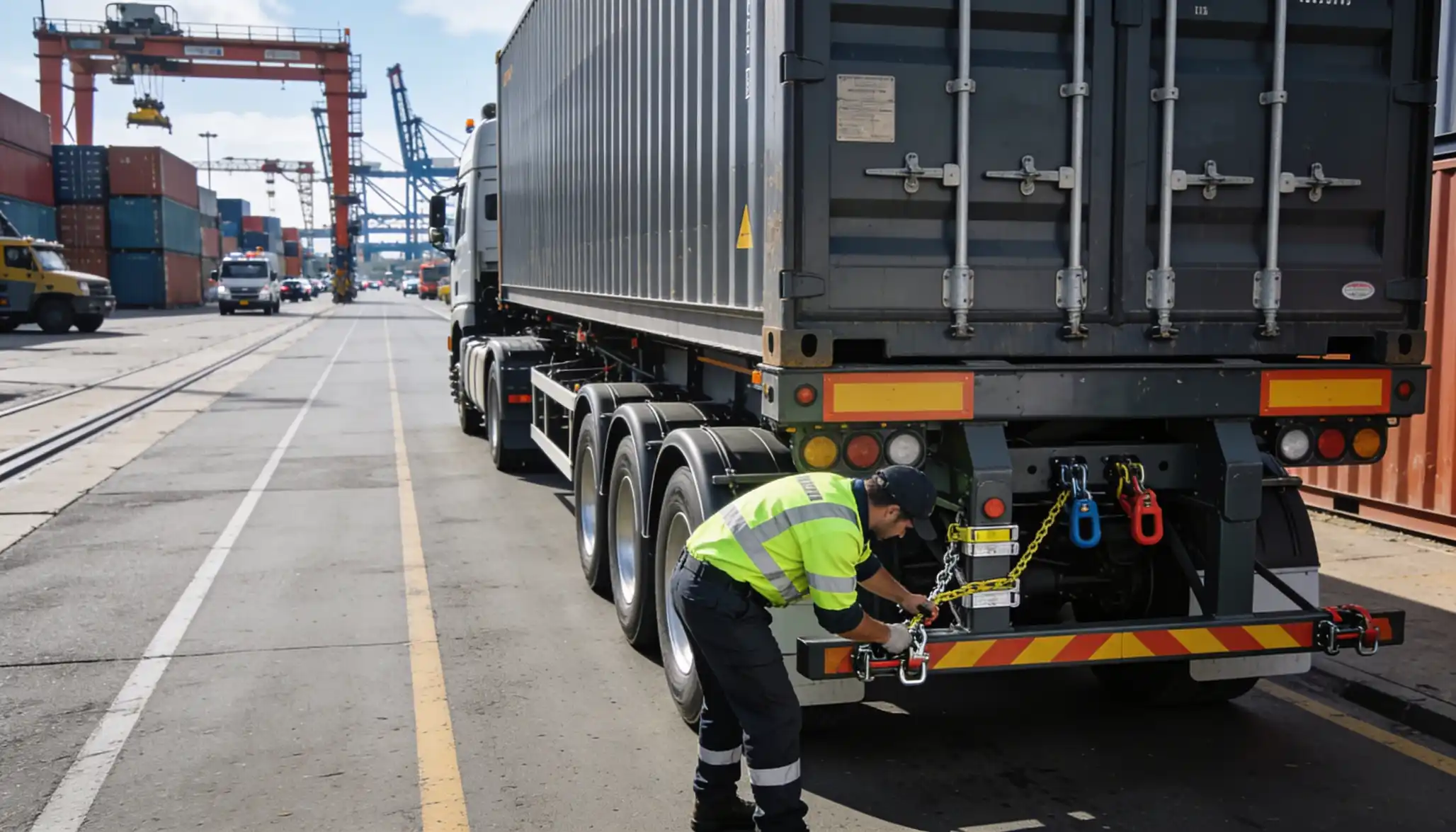
Quick Answer: The typical shipping container towing and transport price in Melbourne ranges from $220 to $450 for a 20ft container, with the exact amount varying based on the container's weight and the site's accessibility. The cost of long distance transport by regional shipping lines is between $280 and $550 per single journey. The cost of localized industrial park relocations is in the range of $180 to $320.
Car Towing Melbourne provides a complimentary over the telephone consultation and a precise set price for every single container transport task.
Heavy shipping containers, site offices or even altered storage units call for highly specialized heavy machinery and charges are dependent on the distance the shipping goes and also the situation you face. The following table provides a breakdown of pricing in Melbourne for callouts from metropolitan areas, regional freight corridor services and recovery for heavy trailers on typical residential, commercial and industrial site jobs. The actual charges can fall within these ranges, and container towing is sometimes required to pass through tight construction sites, tolls, overhead power lines, and low clearance industrial yards; which is why Car Towing Melbourne always checks the site details over the phone prior to confirming a fixed quote.
Because an incorrectly positioned or delayed container can easily halt construction site work, put a strain on warehouse cross-docking schedules, and incur demurrage charges at the port or by rail, container logistics operations are often highly sensitive to commercial timelines. As opposed to a regular passenger car, site pick-up or delivery is a very technical process, with a heavy duty tilt-trays, special container twist-locks and high tensile winching systems. Muddy outdoor locations and narrow side access driveways require more time to pull a container. Heavy flatbed tilt-tray operators are also popular options for Melbourne businesses, which strike a balance between safety and efficiency with a specialized heavy-duty flatbed and an industrial-rated carrier along with a quick response guarantee.
A manager's complete visibility of the transport budget is the key ingredient every time. Once the asset is safely lashed onto the deck, many logistics providers will jack up the premium fees for loading (and sometimes offloading), special heavy-tonnage weight surcharges, dual-axle container trailer weights, weekend site delivery premiums, or customized site administration costs to secure your business and keep you on board. These kinds of predatory practices are clearly not part of our service model. The number you are given by our business team is your total final expense with all factors of transit, toll management, oversized load compliance and site access dangers taken into consideration in advance when you connect with us from our central dispatch.
To help understand our tiered approach, it is helpful to understand how geographic zones can affect local container recovery. As the city's manufacturing and footprint grows, there are completely new operating challenges in various locations. The delivery and/or clearance of a heavy 20ft container to a tight commercial site or narrow residential block in the inner north will require specialist low profile tracking equipment and meticulous attention to detail in order to ensure there is no damage to structural assets or property.
On the other hand, operating a container transport on the extensive roads of the industrial sprawl of the west and east could enable efficient positioning of vehicles and quicker transit times, which directly lower the mechanical burden involved.
Factors That Impact Shipping Container Towing Melbourne Costs
- Distance and Mileage
- The actual distance and mileage traveled between the place the container is picked up (e.g., a port terminal or a storage facility) and the destination (e.g., a different port terminal or a storage location) is our starting point for pricing shipping container towing. Extra long transit routes are, of course, more resource intensive when they are not in the metro core.
- Content Weight and Fill
- Weight can be deceiving and contents must be balanced. For a completely empty 20ft container, less equipment management and heavy winching will be required than with a full container laden with heavy construction gear, building materials or industrial equipment.
- The Immediate Site Delivery Environment
- Units that are placed on a flat, open asphalt, or packed gravel surface will need less handling. Side access residential installations with little openings or unsealed yards due to the mud or low hanging trees or resting under tree branches will need specialized sliding equipment and a slower execution.
- Time of Day and Site Urgency
- These factors change fleet availability: high volume shift windows, late night site relocations, weekend construction callouts and statutory public holidays. Severe weather patterns and hazardous site environments also affect the needs of resources during an emergency.
- Specialized Tilt-Tray Loading Equipment
- Due to the fact that heavy containers need to be directly loaded from the back of the truck bed, standard tow vehicles are not used for this purpose. To load and unload without cranes, operators should use advanced heavy-duty tilt-trays that feature low-friction container pads, rear stabilizers and container pinlocks.
- Toll Road Management
- To ensure that the City is not congested when implementing express transit facilities such as CityLink or Eastlink, it may be necessary for the City to use such facilities. These tolls are not added on to the first bill, they are just figured into the initial bill.
- On-Site Accessibility Blocks
- Containers blocked by surrounding freight material, disabled in tight mechanical service bays or resting down steep roadside embankments require long setup times for a fully safe and damage-free load.
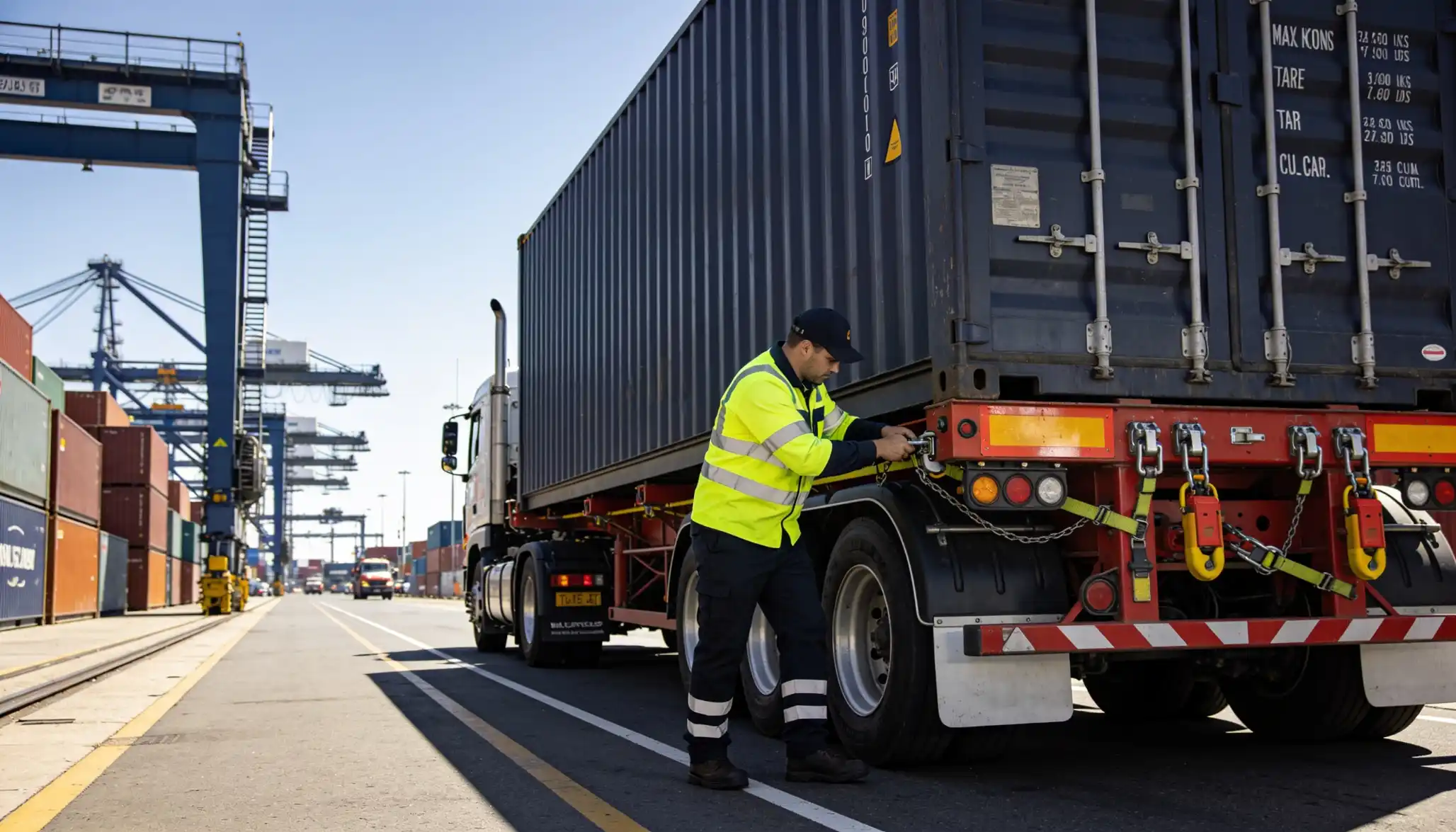
Our Shipping Container Towing Process
- Free Phone Measure and Quote
- We evaluate your breakdown or relocation site, container dimensions, weight breakdown and destination to make certain that there is a clear route for transit on the phone.
- Scene and Site Preparation
- Upon arrival, our operator prepares the immediate loading area, assess the traffic on the property and prepares the container for a level and damage-free winching path to the truck bed.
- Precision Loading and Securement
- Containers are precisely winched onto our modern heavy tilt-tray decks, centered over the truck axles, and securely tied with industrial quality containers twist-locks and safety chains to ensure zero movement in transit.
- Transport and Safe Unloading
- Optimized commercial routes, safe driving of your asset to the target workshop or warehouse facility, that is tracked continuously by dispatch from hook-up to drop-off.
Why Choose Us?
Car Towing Melbourne frequently relocates industrial container towing jobs, site office containers, and heavy machinery, while helping to upgrade commercial fleets throughout Melbourne. We are very careful around busy arterials, factory gates and high risk construction zones to ensure your valuable commercial assets are not compromised, and we can specifically take large containers from deep indoors, low clearance storage areas and congested industrial estates without causing hassle or potential damage to your valuable commercial assets.
From the simple flatbed tilt-tray unit for a 20ft container to the heavy-duty towing unit to move several storage units to a new facility, we have the exact measurements for all of our logistics and provide you with a written quote after a quick over-the-phone conversation; your towing budget is secured before we even start loading onto your truck.
We are also well versed in the process of coordinating full vehicle recovery projects with local material handling repairers, heavy mechanics and insurance assessors, fitting our towing schedule to your broader business operation time line.
Our professional operators are fully licensed, comprehensively insured and have been thoroughly trained to drive equipment that may be heavy or low clearance, and work with the unique safety protocols of an operational industrial site. A modern fleet with heavy duty tow trucks and tilt-tray carriers with daily structural safety inspections ensure that they will perform the job safely and efficiently when you need them most. Any equipment failure in the busiest warehouse production hours is stressful and we understand that so we make sure to keep communication open, be able to track the arrival of the equipment and keep the site safe. Every second of your call to us, up to the last one to your repair-side station or industrial unit we have premium, reliable service, with no hidden costs.
Melbourne Suburbs We Serve
We move all container configurations, site offices and heavy storage modules from inner city commercial centres in Southbank, Docklands, through to family manufacturing estates in the eastern suburbs, such as Box Hill, Camberwell and Glen Waverley across greater Melbourne. With a distributed dispatch system, we keep our heavy recovery vehicles closer to the major road arteries in the region, and are able to reach you within a quick time frame, no matter where your forklift transport or industrial equipment breaks down unexpectedly.
Our coverage is active in the inner northern manufacturing suburbs of Brunswick, Fitzroy and Northcote and provides towing services in a timely fashion on main high density arterials such as Sydney Road. Our teams also undertake regular patrols throughout the southeast's heavy logistics blocks and commercial areas, offering rapid response in the commercial and residential areas of Cheltenham, St Kilda, Dandenong and Frankston on the Monash Freeway network. At the same time, our committed western infrastructure provides quick and reliable support at roadsides and factories in growth logistics areas such as Point Cook, Tarneit, Werribee and Pakenham.
For breakdowns and car towing needs elsewhere in the network, see our emergency towing pricing guide or our forklift transport pricing guide, and browse the full towing services and towing prices indexes. Call us for a free over-the-phone consultation wherever you get stranded or relocating equipment within the metropolitan network.