If you've ever tried to tow a trailer, caravan, or even a small boat, you've probably seen the term "braked towing capacity" in your vehicle manual. It sounds technical, but it's actually something every driver should understand.
I learned this lesson the hard way when I once overloaded my trailer without checking the limits. The car struggled very hard, braking felt unsafe, and it was a stressful drive for me. That's when I realized how important towing ratings really are.
In this guide, I will tell you about braked towing capacity, how it works, and how to use it safely so you can avoid this mistake.
It also helps to keep the right car accessories for cars in Melbourne in your setup, especially when visibility, tyre pressure, and towing stability all matter at once.
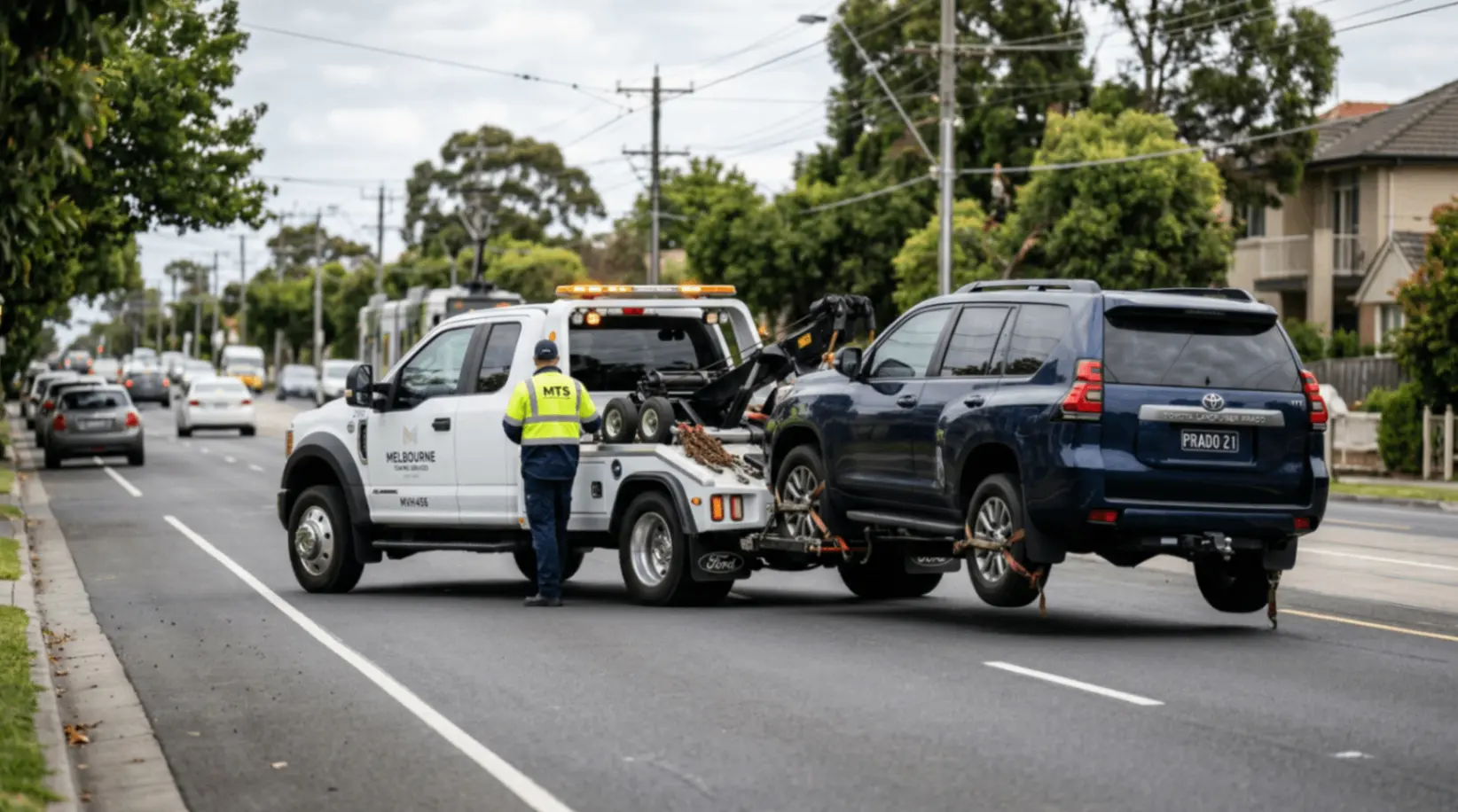
What Is Braked Towing Capacity?
If a trailer has its own brakes, "braked towing capacity" means how much weight your car can safely pull.
This means the trailer is not only using your car's brakes. It has its own braking to stop.
Why It's Important
It is important because trailer brakes help your vehicle a lot. Your car does not get too much pressure, because the trailer can stop by itself. This means you can carry heavier things without putting too much load on your car.
Without trailer brakes, your car does all the stopping, and that's risky. The same principle applies during recovery when a vehicle is dragged against locked brakes, which is why our towing a car with the handbrake on guide is worth reading before a roadside tow. Braking also works differently for EVs, so if you drive one, see our guide on towing an electric vehicle before you get hooked up.
Expert Tip
Most manufacturers clearly list this number in the owner's manual. Always follow it strictly. Exceeding it can damage your vehicle and make driving dangerous.
Braked Vs Unbraked Towing Capacity
There are always two towing ratings:
- Braked towing capacity
- Unbraked towing capacity
Here's how they compare:
| Feature | Braked Towing Capacity | Unbraked Towing Capacity |
|---|---|---|
| Trailer brakes | Yes | No |
| Maximum load | Higher | Lower |
| Safety level | Safer for heavy loads | Less safe for heavy loads |
| Common use | Caravans, large trailers | Small utility trailers |
Key Insight
Unbraked capacity is often much lower, sometimes less than half. This is why adding trailer brakes is essential for bigger loads.
How Braked Towing Capacity Works
Trailer Braking Systems
Braked trailers usually use one of these systems:
- Electric brakes Controlled from inside your vehicle
- Override (surge) brakes Activate when the trailer pushes forward during braking
Both systems help distribute braking force between the car and trailer.
Real-World Example
Let's say you have a SUV and your SUV has:
- Braked towing capacity: 2,000 kilo
- Unbraked towing capacity: 750 kilo
If your trailer weighs 1,500 kilos and has brakes, you're in the safe limit.
But without brakes? You're way over, and that's dangerous.
Expert Tip
Always include the total trailer weight, not just cargo. This includes the trailer and everything that is loaded onto it.
What Affects Braked Towing Capacity?
Several things decide how much your truck can tow: Engine power is one of them. But power alone isn't enough.
Braking System
Your vehicle's brakes still play a big role. They work together with the trailer brakes.
Chassis and Suspension
A stronger frame and suspension help keep the vehicle stable while towing.
Cooling System
Towing puts extra stress to the engine. A Good cooling system prevents it from overheating.
Expert Insight
Automakers test towing limits under strict conditions. That's why experts always say: never guess your towing capacity always check official specs.
What Happens If You Exceed It?
Going over your braked towing capacity can cause:
- It takes longer to stop
- Brake failure
- Trailer sway or loss of control
- Engine and transmission can get damaged
I have seen drivers lose control on downhill roads because the trailer was too heavy. It is not worth the risk. The same safety thinking applies to towing a car with a car in Melbourne, where weight, braking distance, and control can change quickly.
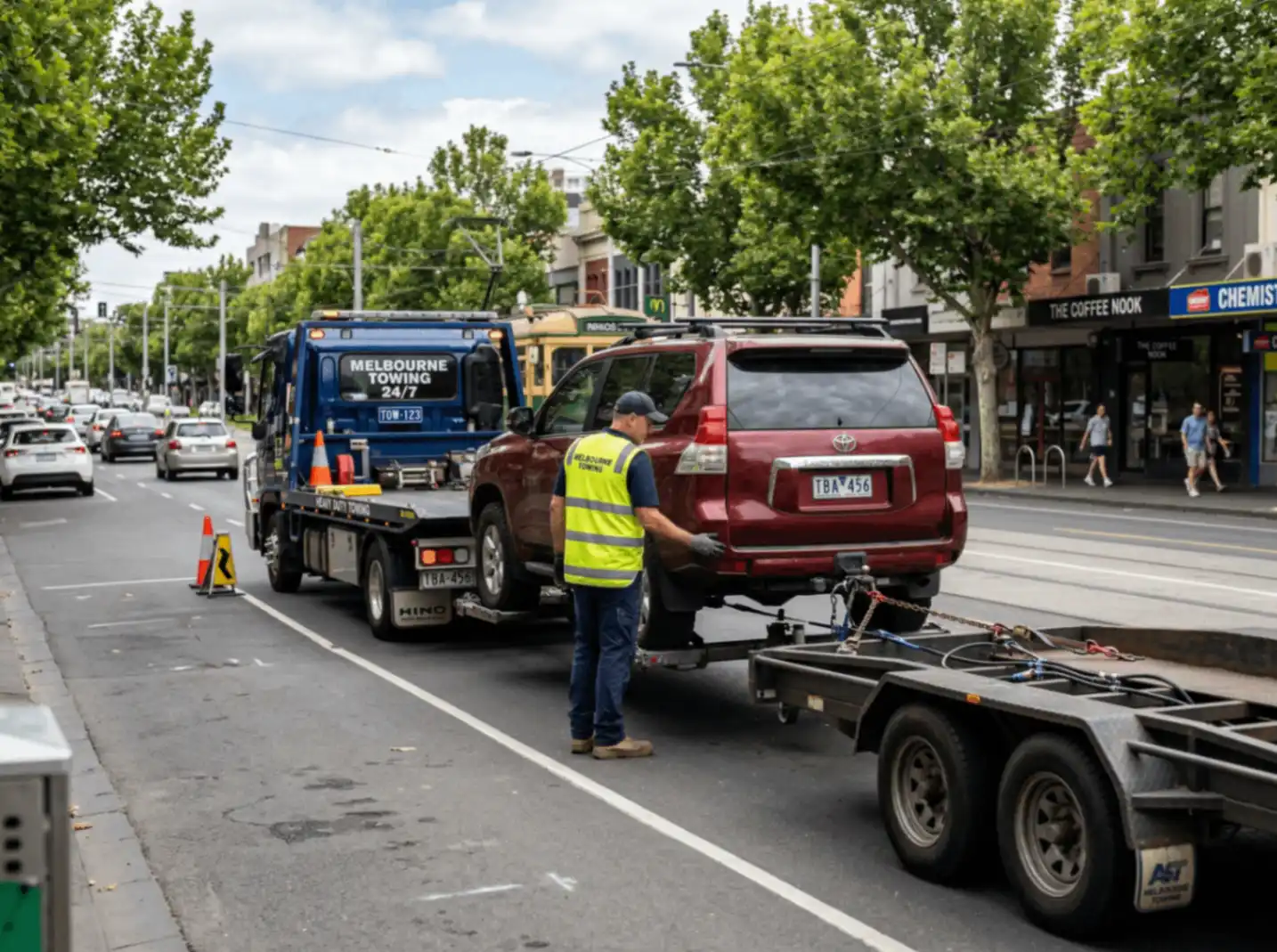
What To Do If Your Vehicle Breaks Down While Towing
Towing puts extra strain on your vehicle. Breakdowns can happen, especially on long trips.
If you're in Melbourne or anywhere across Victoria and need urgent help, Car Towing Melbourne offers 24/7 emergency towing and breakdown towing across all of Melbourne no roadside assistance, just fast, reliable towing when you need it most.
Having a reliable towing option can make a stressful situation much easier. If the caravan itself is unstable or cannot continue safely, a caravan towing service in Melbourne can move it without asking you to keep pulling a risky setup.
For a practical emergency checklist, read what to do when your car breaks down in Melbourne. And if a mate offers to tow your rig with his ute instead, read why you shouldn't tow a car with a friend before you say yes.
FAQ
Answers to the most common questions about braked towing capacity and safe towing in Melbourne.
What is the difference between braked and unbraked towing capacity?
Braked towing lets you tow heavier loads because the trailer has its own brakes. Unbraked is lower since your car handles all braking.
Do all trailers need brakes?
No, small trailers might not need them. But for heavier loads, brakes are really needed and often law says you must have them.
How do I know my vehicle's braked towing capacity?
Check your owner's manual or manufacturer specs. It's usually listed clearly under towing information.
Can I install brakes on my trailer later?
Yes, lots of trailers can be upgraded with brakes. This can increase safety and allow heavier loads to carry.
What should I do if my car has trouble towing?
Stop driving as soon as it's safe. the car Overloading may be the issue. In serious cases, a service like Car Towing Melbourne can help move your car safely.
Conclusion
Understanding what braked towing capacity is can save you from serious safety risks and costly damage. It simply means the maximum weight your vehicle can tow when the trailer has its own brakes and it's always higher than unbraked limits.
Stick to your vehicle's limits, use proper trailer brakes, and double-check your load before every trip.
If you ever find yourself stranded on Melbourne roads, Car Towing Melbourne is available 24/7, 7 days a week across all of Victoria for emergency towing and breakdown towing, they have you covered.
Moving heavier equipment instead of a trailer? Read our forklift transport Melbourne guide for how businesses safely relocate forklifts and machinery.